A book about doing better by Seth Godin.
“The number on the car’s speedometer isn’t always an indication of how fast you’re getting to where you’re going. You might, after all, be driving in circles, really quickly,” Seth Godin
My Reading Journey Backwards and Forwards
A book about doing better by Seth Godin.
“The number on the car’s speedometer isn’t always an indication of how fast you’re getting to where you’re going. You might, after all, be driving in circles, really quickly,” Seth Godin
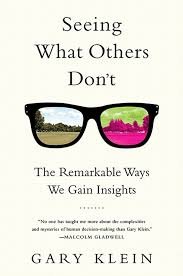
A Book About Insight by Gary Klein
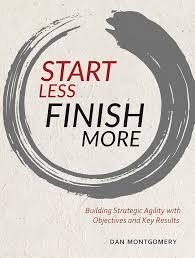
“In truth, learning is the only sustainable source of competitive advantage in a world of disruption and complexity.” (Dan Montgomery, Start Less, Finish More)
A book about Agile Project Management by Dan Montgomery
The title is almost enough.
“strategy guru Michael Porter said, “The essence of strategy is choosing what NOT to” (Dan Montgomery, Start Less, Finish More)
The title is almost enough.
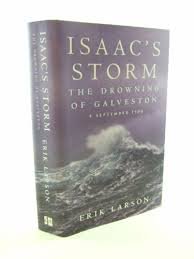
I started this book July 11, 2024. It’s the story of the Hurricane that destroyed Galveston Texas on Sept 8, 1900. It killed over 6000 people.
Incredibly well written. I can’t put it down any easier than a mystery or romance novel. I have no idea where this book came from. I found it while doing my book reorganization – I don’t usually read this sort of thing but I probably will now.
It has over 9000 reviews on Amazon, 56% 5 stars – 3% 1 and 2 stars. I always read the poor reviews as I’ve noted before, several of the 1 and 2 star reviews on Amazon were on the poor condition of the book they purchased not the book itself! Though some people said they found it dry. I don’t know how. But I’m not book reviewer, just a reader.
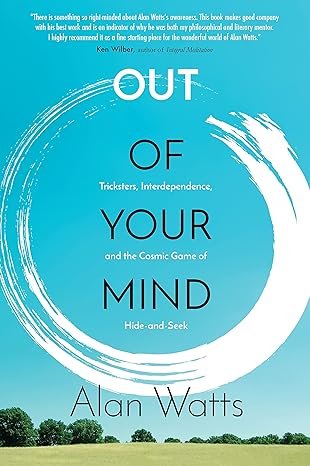
Author – Alan Watts
I’ve done a lot of highlighting in this book, the way he explains is clear and easy to understand. I haven’t decided if I’m going to read this book a second time or find something else that he wrote.
It was published posthumously nearly 50 years after he died – so perhaps something he published?? This book was put together by his son, Mark Watts, from his lectures. He says;
I selected recordings- that flowed together beautifully-from six historic events to become the Out of Your Mind audio collection
Out of your mind, Mark watts
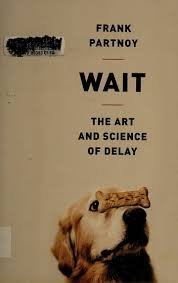
A book about the upside of Procrastination by Frank Portnoy
I started reading this book on April 26th and finished it on July 6th, 2024.
I found it compelling and worth the read, but it received relatively low ratings on both Amazon and Good Reads reviews—4.1 and 3.6, respectively—including seven 1-star reviews!
In both the five-star and one-star reviews, the book was compared to “How We Decide ” by Jonah Lehrer and “Why We Make Mistakes” by Joseph T. Hallinan.
It’s not .. it’s about 4:30, but that was the first time I woke up this morning and asked Google for the time. Every morning right about 3 am I wake up.
Occasionally I can fall back asleep but most of the time I sleep for 10 minutes and wake up again. I find that “trying” to sleep just doesn’t work.
So, I get up and listen to videos I don’t have time for, and I read and I do this. The downside is by 8 am I’ll really want to sleep.
If I get lucky, I’ll have written something worth reading by then or read something worth writing about.
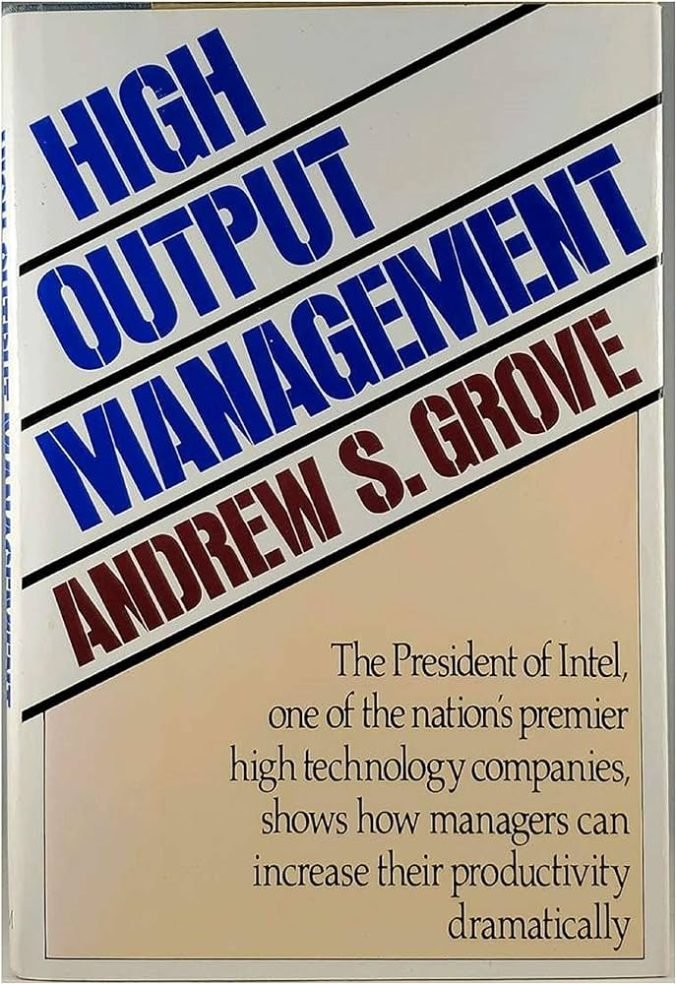
This book was published in 1983 – I purchased it 2012 and I didn’t read it. I’m pretty sure I started it and thought because it was about manufacturing it didn’t apply to me or my business. That was of course very shortsighted.
The hardcover version that I own is not available on Amazon and has only been reviewed once. Interestingly it has been reviewed on Goodreads almost 1000 times and rated almost 20,000 times with an average rating of 4.31.
As always I went to the bad reviews first. There was 1 – 1 star review, a very long rant about what a useless book this is. I found nothing useful in this review although it seems 119 other people did. This reviewer has 20 followers. I don’t think I’ll be adding myself to the list.
I started this read on March 27th and it’s part of my themed read on Measurement and Forecasting.
The author lets us know the book covers three basic ideas.
© 2026 Vienna's Views
Theme by Anders Noren — Up ↑